
The Nepal Investigative Multimedia Journalism Network (NIMJN) organized "The Bhotekoshi Floods: Reporting Disaster with Empathy" on Sept. 28 at AlfaBeta Complex, New Baneshwor. Twenty journalists took part.
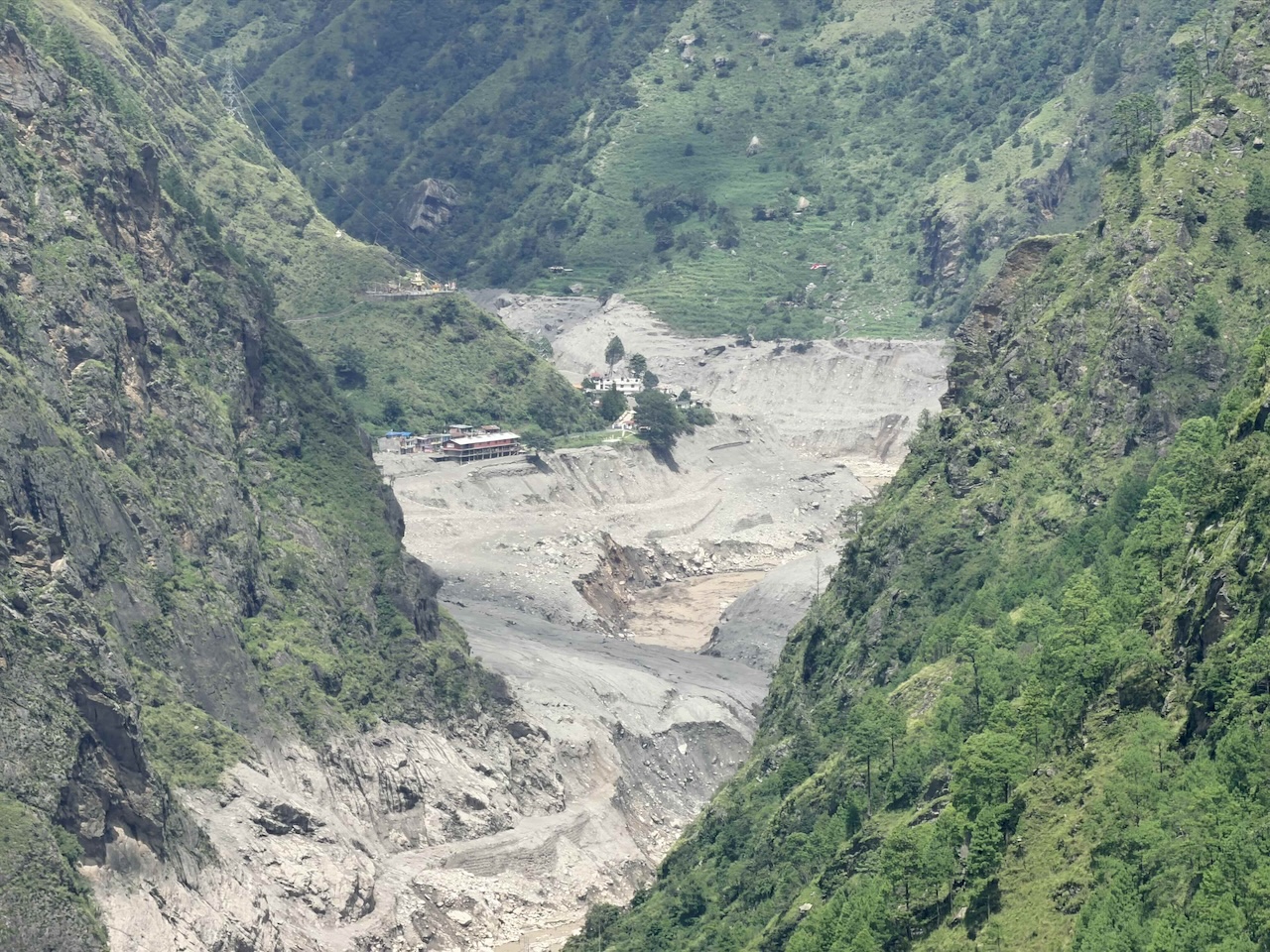
The session explored how journalists can cover the recent Bhotekoshi flood, which hit Rasuwa, Nuwakot and Dhading, without adding to survivors' suffering.
NIMJN Chief Editor Rajneesh Bhandari opened the program. He pointed to investigative stories still to be pursued on the flood and urged journalists to collaborate.
Keynote: the science behind the disaster
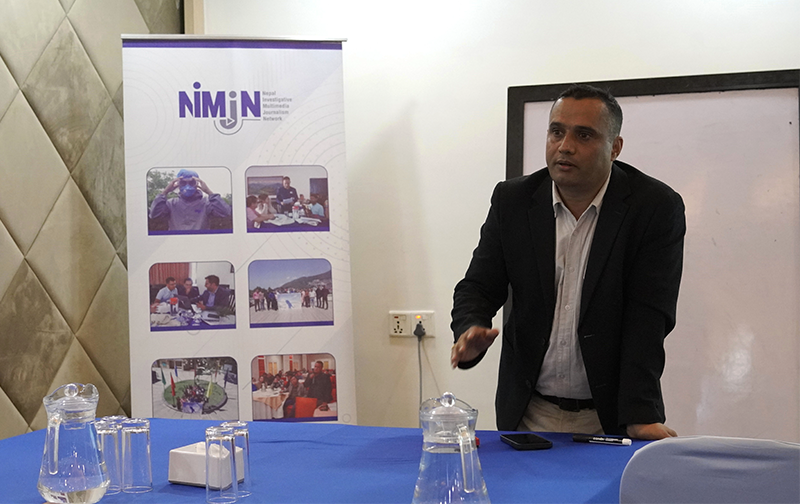
Dr. Basanta Raj Adhikari, director of the Center for Disaster Studies at the Institute of Engineering, Pulchowk, and chair of DPNet Nepal, used satellite images and video to explain what he described as an unprecedented rock-ice avalanche and flood. First reports from a disaster often get facts wrong, he said, so journalists should check multiple sources.
"There are risks in everything, and they can be minimized but never made null," Adhikari said. He called on the government to identify high-risk Himalayan hotspots, adopt new early warning systems and draw on traditional knowledge. He also urged risk-sensitive land-use planning and said lessons from disasters must stay in the government's institutional memory.
Panel discussion
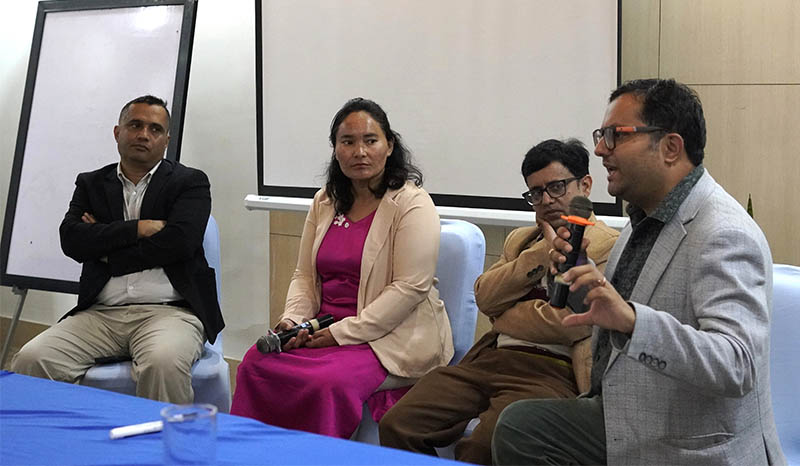
Bhandari moderated a panel with Adhikari, photojournalist Barsha Shah and Nuwakot journalist Dev Chandra Bhatta.
Shah said she saw journalists questioning victims without understanding their pain. "What we could rather do is observe them from afar, build rapport with them and then make inquiries," she said. She stressed getting consent before publishing images. She also cited a major newspaper that used survivors' photos in a story about theft, which she said shows why images must be checked against the stories they run with.
Bhatta was in Nuwakot when the flood struck and has covered it since. "Journalist safety is the most important thing, and after this we can move on to reporting," he said. He said coverage has focused on what locals did when the flood hit. There has been too little on what authorities should do and how survivors can recover from trauma, he said.
Adhikari said even people who lost nothing can be traumatized by a disaster, journalists included. He said reporters may need a break before returning to the story.
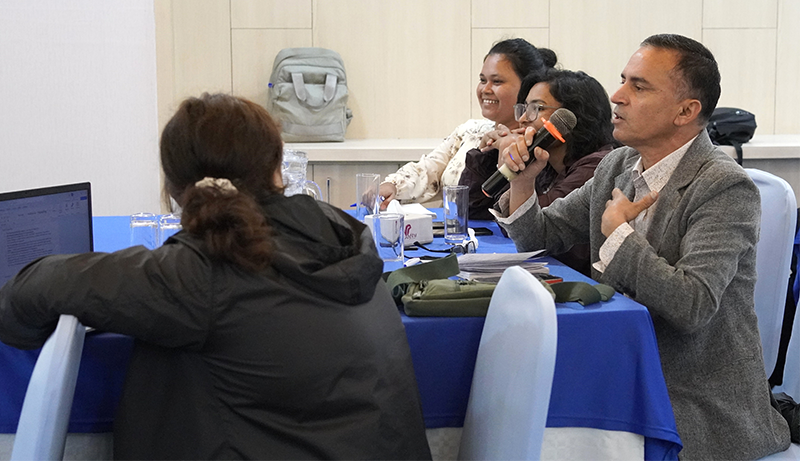
Participants asked how to handle conflicting data sources and how to report on post-disaster rituals. One participant said survivors, interviewed repeatedly, have begun chasing reporters away.
Bhagirathi Pandit said the session showed her how much depth there was in flood-related story ideas she had previously taken for granted. Pankaj Mahara Chamar said hearing from a journalist whose own community was hit helped him understand the human toll more deeply. He said it gave him new ideas for human-interest and disaster stories.




Comments